Product Packaging: Where to Start? A Practical Guide for Business

Packaging is more than just product protection – it is the first thing your customer sees, and it often drives the purchasing decision. It is an integral part of the product, directly impacting its perceived value. Experts emphasize that packaging is one of the most cost-effective yet powerful ways to strengthen your brand. But how do you avoid getting lost amid the abundance of structures, materials, design trends, and technical requirements?
SUPERBOX experts share a clear roadmap for beginners.
When should you start thinking about packaging?
Many startups and new businesses make the same mistake: they only begin planning the packaging when the product is already sitting in the warehouse. However, packaging development should never be left until the final stage. It is crucial to understand that quality design does not happen overnight. Developing professional packaging, testing prototypes, and manufacturing the first production run (batch) can take up to several months.
Ample time must be allocated for all stages of packaging development. Taking it slow is the only way to thoroughly explore materials, carefully think through structural details, and find the best aesthetic solution. Rushing this stage often results in costly mistakes during production.
Packaging is an integral part of the product, performing three critical functions: protection, logistics, and, most importantly, sales promotion. It is a tool that shapes the first impression of your brand. If your packaging fails to clearly communicate within a few seconds what is inside and why it is valuable to the buyer, you risk losing a potential customer before they even have a chance to try the product itself. Therefore, the entire development process must be approached with the utmost responsibility.
Step One: Homework
Before reaching out to an experienced packaging manufacturer, a business must gather essential data about the future packaging and decide on its primary purpose: whether it is intended solely for transport, retail shelves, or creating an exceptional unboxing experience.
This is the most critical decision, as it dictates all subsequent steps.
What data should a business gather about its future packaging?
1. Packaging dimensions and product weight
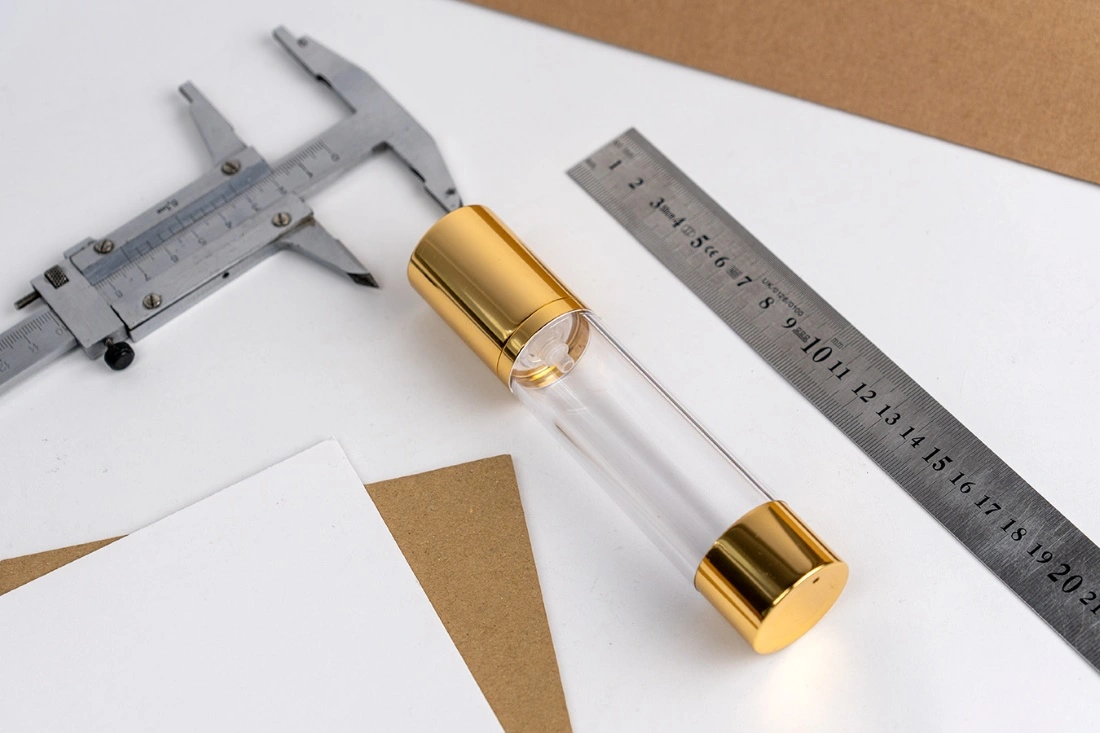
Each package has a length, width, and height, so your first step is to measure your product. If you do not have the physical product yet (for example, a bottle), make sure to obtain its technical drawing with specified dimensions (diameter and height).
It is impossible to develop packaging without knowing its exact dimensions.
Additionally, weigh your item. Based on the weight, the packaging manufacturer will be able to select the most appropriate raw material.
2. Product quantity per package
Determine exactly how your goods will be packed: will each item have individual packaging, or will multiple products be bundled together in a single box? This decision is often dictated not only by your vision but also by retail chain standards and shelf depth.
3. The logistics chain
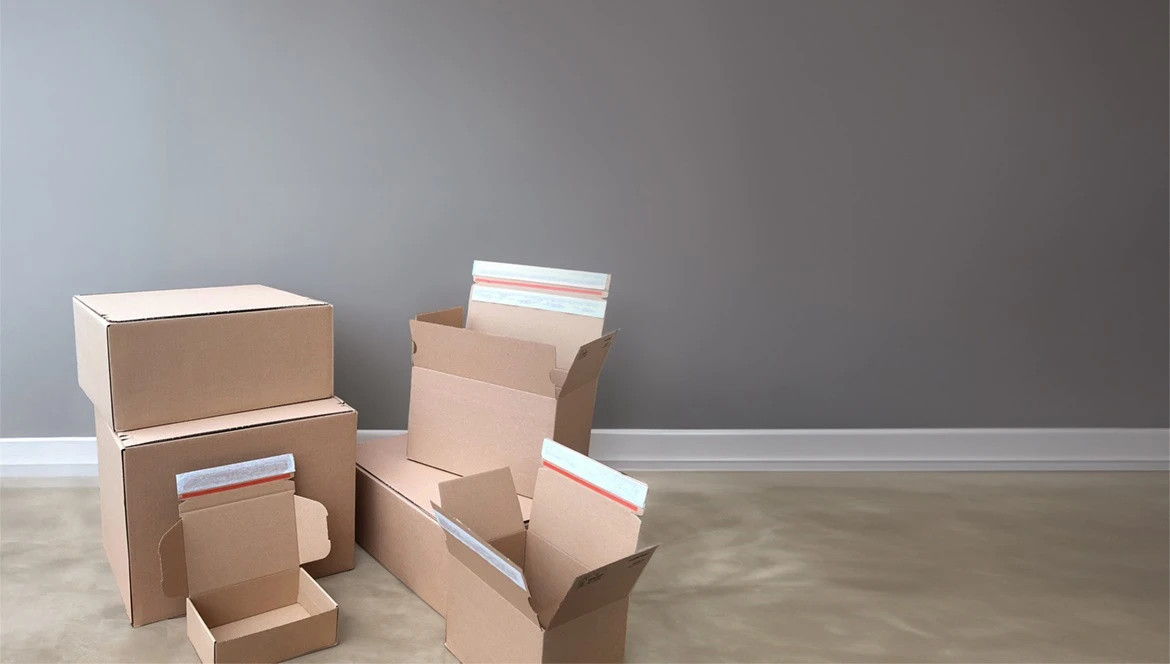
Answer this question: where will your product travel, and what challenges must the packaging overcome? E-commerce packaging must be exceptionally durable to withstand the dynamic and rigorous handling of courier services. On the other hand, structures designed for brick-and-mortar stores must be optimized for stable stacking and effective on-shelf display.
If your packaging has an exclusive, premium design that is susceptible to external wear and tear, it is highly recommended to consider an additional outer shipping box to protect its pristine aesthetic appearance.
4. Text content and legal regulations
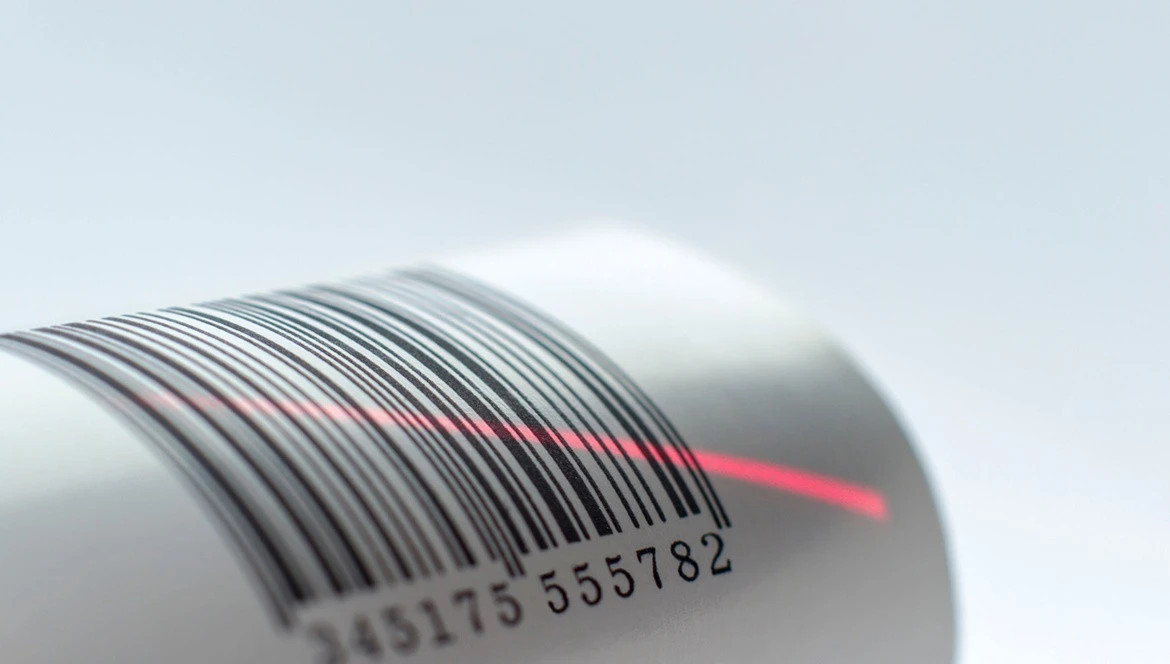
Every product category (food, cosmetics, electronics, etc.) comes with specific labeling requirements and technical conditions (such as moisture resistance in freezers). Find out in advance what information—such as ingredients, warning symbols, or barcodes—is legally required on your product packaging.
You should also strategically plan your information layout: decide which parts must be printed during production and which will be applied during the packing process (e.g., expiration dates or batch numbers).
Prepare all packaging copy (titles, descriptions, instructions), arrange high-quality translations if the packaging will be multilingual, and generate the necessary barcodes or QR codes ahead of time.
5. Competitor packaging analysis
Analyze what solutions your competitors are using for identical or similar products. This will help you not only gather valuable inspiration but also avoid obvious mistakes. While "borrowing" the structure of a shipping box is perfectly logical (as these are proven, functional solutions), look for a unique signature style for the product packaging itself. In the eyes of the customer, you must be original, not a copy of a competitor.
6. Choosing a professional designer
A designer does more than just create a visual; they take responsibility for the final technical result. We highly recommend choosing a specialist who works with professional software (such as Adobe Illustrator) rather than basic tools like Canva. Layouts prepared with non-professional programs often lead to unpleasant technical "surprises" during printing. If you do not have your own designer, the SUPERBOX team can always recommend experienced packaging design experts.
7. Consider the design concept
It is great if you already have a clear vision for your packaging—in that case, the designer will simply need to transfer it technically onto a production layout. However, if you lack a vision, it is worth consulting a professional packaging designer who can develop an aesthetic concept or a cohesive style for an entire product line.
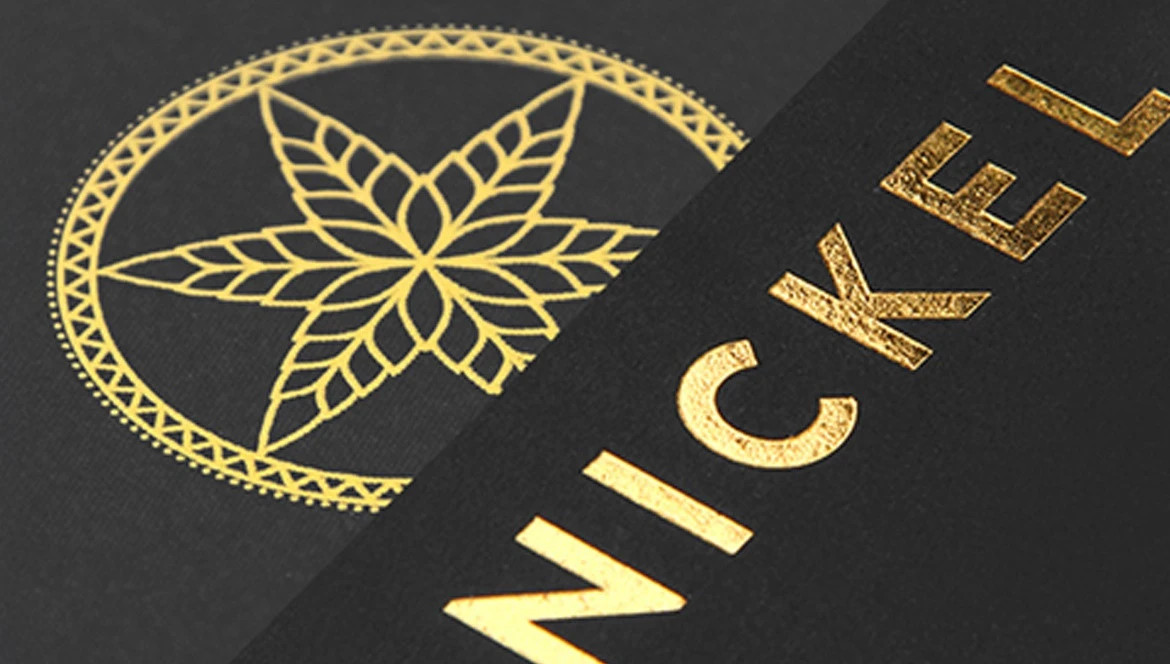
Keep in mind that your and your designer's creative choices directly correlate with the cost of production. Opting for textured decorative paper or intricate finishing techniques (such as hot stamping/foiling, embossing, or spot UV varnishing) means you must be prepared for higher manufacturing costs. Always critically assess whether the prestige created by the packaging aligns with your customer's expectations and whether the buyer is willing to pay extra for it.
Packaging is engineering first
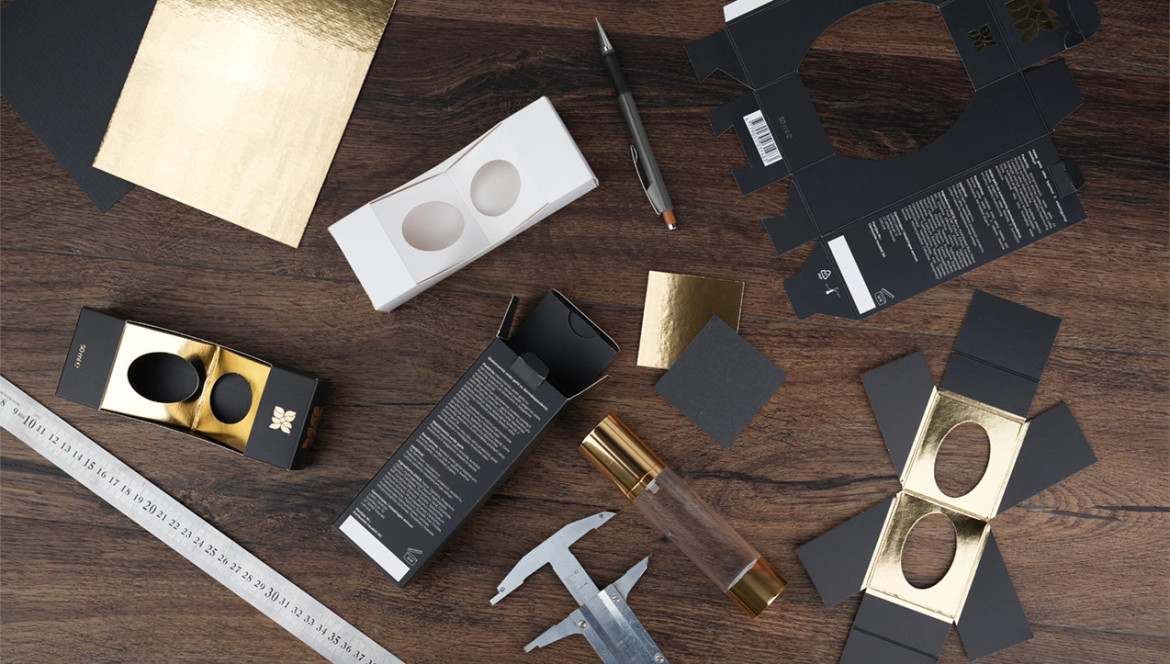
Packaging development is not just an aesthetic choice—first and foremost, it is an engineering process. The packaging shape and structural template (dieline) are created first, and only then are they handed over to the designer.
Step Two: Packaging Structure
Developing the packaging structure is one of the most critical stages. The SUPERBOX team emphasizes: the packaging must be designed by a manufacturer with years of experience. Why is this so important?
First of all, a professional structural designer will help select the most suitable raw materials based on the specifics of your product. Quite often, specialists will offer several structural options—this is especially relevant if the packaging requires a custom internal insert (inlay/fixture).
The structure of the packaging directly determines not only its aesthetic appeal but also its functionality:
- Assembly efficiency: Whether the box will be convenient to fold by hand or if it is optimized for automated packaging lines.
- Safety: Whether the packaging will withstand transport loads and properly protect the contents.
- Cost optimization: A packaging engineer ensures the optimal use of raw materials and manufacturing efficiency, directly saving your budget.
Listening to the structural designer’s insights and suggestions is highly rewarding—their accumulated experience allows them to foresee and prevent painful, costly mistakes before production even begins.
Step Three. The Golden Rule: A Sample Before Production
Even the most flawless drawing on a computer screen can fall short of expectations in reality. Therefore, the SUPERBOX team stresses: before launching mass production, it is essential to produce physical packaging samples. A prototype is the best way to ensure that theory aligns with practice.
Experts recommend testing the samples with real products, paying close attention to the following aspects:
- Dimensional accuracy: Is the packaging the right size? Does the product inside move too freely, or is the box too tight, causing it to deform? A prototype allows you to spot these issues in time and, if necessary, adjust the drawing until a perfect fit is achieved.
- Resistance to weight and loads: Place the actual product inside the packaging and simulate user actions: shake it, open and close it several times, or even drop it on the floor. This will help you understand whether the structure remains stable and if the selected cardboard provides sufficient strength. Perhaps your product requires thicker or higher-quality raw materials?
- User experience: Evaluate the first impression. Will it be easy and pleasant for the customer to open the packaging? Is the unboxing experience intuitive?
Only when you hold a physical prototype in your hands can you be 100% confident that the final production run will match your vision.

Sustainability – No Longer a Trend, But a Necessity
Today's consumer is becoming increasingly critical of plastic use and over-packaging. When planning a new project, SUPERBOX encourages choosing eco-friendly solutions:
- Eliminate lamination: Coating the packaging with a layer of plastic (laminate) makes it much harder to recycle.
- Optimize size: Tailor-made packaging means less empty space and more efficient logistics.
- Choose recyclable materials: Eco-friendly raw materials not only contribute to environmental protection but also serve as a strong competitive advantage in your brand's communication.
Step Four: Packaging Budget – How to Find the Balance?
A budget often serves as the primary boundary for creativity, making it essential to define it at the very initial stage. It is vital to maintain sound logic: luxury, PREMIUM-class packaging for a low-cost product may be economically unviable, as the packaging cost will account for too large a share of the final item's cost price.
According to SUPERBOX experts, packaging costs are fundamentally driven by three main factors:
| Factor | Impact on Price |
| Production Run | This is one of the most critical factors: as the order quantity increases, the unit price decreases proportionally. |
| Materials and Technologies | Standard raw materials and high-efficiency printing technologies (such as flexography) ensure lower costs. Conversely, rare decorative cardboards and intricate finishes (hot stamping/foiling, embossing) increase the project cost. |
| Structural Complexity | Standard structures optimized for automated manufacturing processes are significantly cheaper than unique solutions that require a lot of manual labor. |
An early budget assessment allows structural engineers and designers to select solutions that not only look aesthetically pleasing but are also economically justified.
Step Five: Packaging Design – From Vision to Production File
Once the packaging prototype is approved, the creative phase begins. The approved technical drawing (dieline) is handed over to the designer, who builds the packaging visuals on top of it. To ensure a smooth process, the designer must receive the manufacturer's layout guidelines along with the dieline, as well as the confirmed price quote specifying materials, printing methods, and planned effects. This ensures that the developed design aligns with both technical capabilities and your budget.
It is important to understand: a beautiful image on a screen will not necessarily look identical in reality. How can you make sure the design is prepared correctly?
- 3D Models: Three-dimensional visualizations prepared by the designer are the best way to verify the correctness of the layout.
- Digital Proofs: The packaging manufacturer can provide samples printed digitally. While these help you get a general idea, it is important to know that colors and print quality may differ slightly from the final production run if other printing methods (such as offset or flexography) are used for manufacturing.
Expert Tip: Never start design work without having the final packaging template (dieline). Without it, the designer will be forced to do the same work multiple times. Before approving the final artwork, carefully proofread every word, check the numbers, and verify the barcodes once more—correcting errors after the printing process is extremely expensive.
Finally, submit the production-ready file prepared by the designer to the packaging manufacturer. SUPERBOX specialists will verify that the layout is technically correct, and if everything meets the requirements, the project will be accepted for production.

Summary: The Journey to Perfect Packaging
Packaging development is a multi-layered process that blends strategic planning, precise engineering, and creative vision. From thorough homework to a technically flawless design preparation for production, every step matters to ensure your product not only reaches the customer safely but also stands out in a competitive market.
The most important thing to remember is that you are not alone on this journey. Choosing an experienced partner will help you avoid costly mistakes and save time that you can instead dedicate to growing your business. The right packaging is an investment that pays off through customer trust and growing sales.
Are you ready to start your product's packaging journey?
Contact the SUPERBOX team. We will help you engineer the structure, select the optimal materials, and ensure that your vision becomes a reality that meets the highest quality standards.
SUPERBOX – your packaging engineering and manufacturing partner.